December 7, 2020
Monday of the Second Week of Advent
Readings for Today
San Ambrosio, obispo y doctor de la Iglesia—Memoria

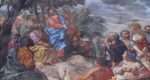
Unos hombres llevaban en una camilla a un hombre que estaba paralítico; intentaban introducirlo y ponerlo en su presencia. Pero, al no encontrar por dónde introducirlo a causa de la multitud, subieron al techo y, a través de las tejas, lo bajaron en la camilla hasta el centro, delante de Jesús. Lucas 5:18–19
It’s interesting to note that, as these faith-filled friends of the paralyzed man lowered him down from the roof in front of Jesus, Jesus was surrounded by Pharisees and teachers of the law “from every village of Galilee and Judea and Jerusalem” (Luke 5:17). The religious leaders came in droves. They were among the most educated of the Jews and happened to be among the ones who had gathered to see Jesus speak that day. And it was partly on account of large numbers of them gathering around Jesus that the friends of the paralyzed man could not reach Jesus without this radical move of opening the roof.
So what does Jesus do when He sees the paralytic lowered before Him from the roof? He told the paralytic that his sins were forgiven. Sadly, those words were immediately met with severe interior criticism from these religious leaders. They said among themselves, “Who is this who speaks blasphemies? Who but God alone can forgive sins?” (Luke 5:21)
But Jesus knew their thoughts and decided to do one more act for the good of these religious leaders. The first act of Jesus, to forgive the paralytics sins, was for the good of the paralytic. But the paralytic’s physical healing, interestingly, appears to be primarily for these pompous and self-righteous Pharisees and teachers of the law. Jesus heals the man so that they will “know that the Son of Man has authority on earth to forgive sins” (Luke 5:24). As soon as Jesus performs this miracle, the Gospel tells us that everyone was “struck with awe” and glorified God. Apparently, this included the judgmental religious leaders.
So what does this teach us? It shows how deeply Jesus loved these religious leaders despite their exceptional pride and judgmentalness. He wanted to win them over. He wanted them to convert, humble themselves and turn to Him. It’s somewhat easy to show love and compassion to one who is paralyzed, rejected, and humiliated already. But it takes an incredible amount of love to also care deeply about the proud and arrogant.
Reflexiona hoy sobre el amor que Jesús tenía por estos líderes religiosos. Aunque venían a buscarle faltas, lo juzgaban falsamente e intentaban tenderle trampas una y otra vez, Jesús nunca dejó de intentar ganarse sus corazones. Al pensar en esta misericordia de nuestro Señor, considera también a la persona de tu vida a quien más te cuesta amar, y renueva tu compromiso de amarla con todo tu corazón, a imitación de nuestro divino Señor.
My most merciful Lord, give me a heart of forgiveness and mercy for others. Help me, especially, to have a deep concern for those whom I find most difficult to love. In imitation of Your divine mercy, strengthen me to act with a radical love for all so that they will come to know You more deeply. Jesus, I trust in You.
Novena a la Inmaculada Concepción
Del 29 de noviembre al 7 de diciembre
¡Consulta nuestros recursos de Adviento!
Meditaciones sobre la Sagrada Escritura
Reflexiones sobre la Divina Misericordia
Saint of the Day – Saint Ambrose, Bishop and Doctor—Memorial
Opciones de lecturas de la Misa
Featured image above: The Palsied Man Let Down through the Roof By James Tissot