November 16, 2026
Mọnde for di 33rd Wik for Ordinary Time
Readings for Today
Saint Margaret of Scotland—Memorial wey no compulsory
Saint Gertrude the Great, Virgin—Memorial wey no compulsory
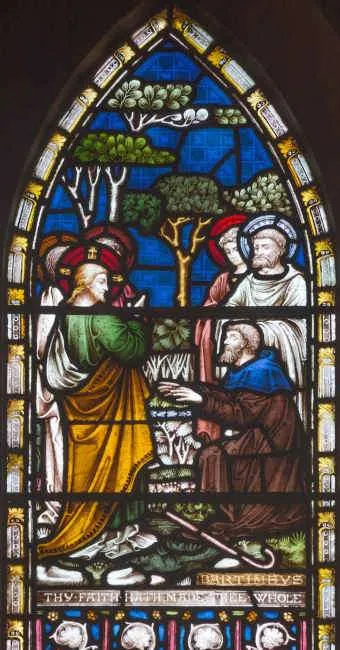 Main: Image from Adobe Stock
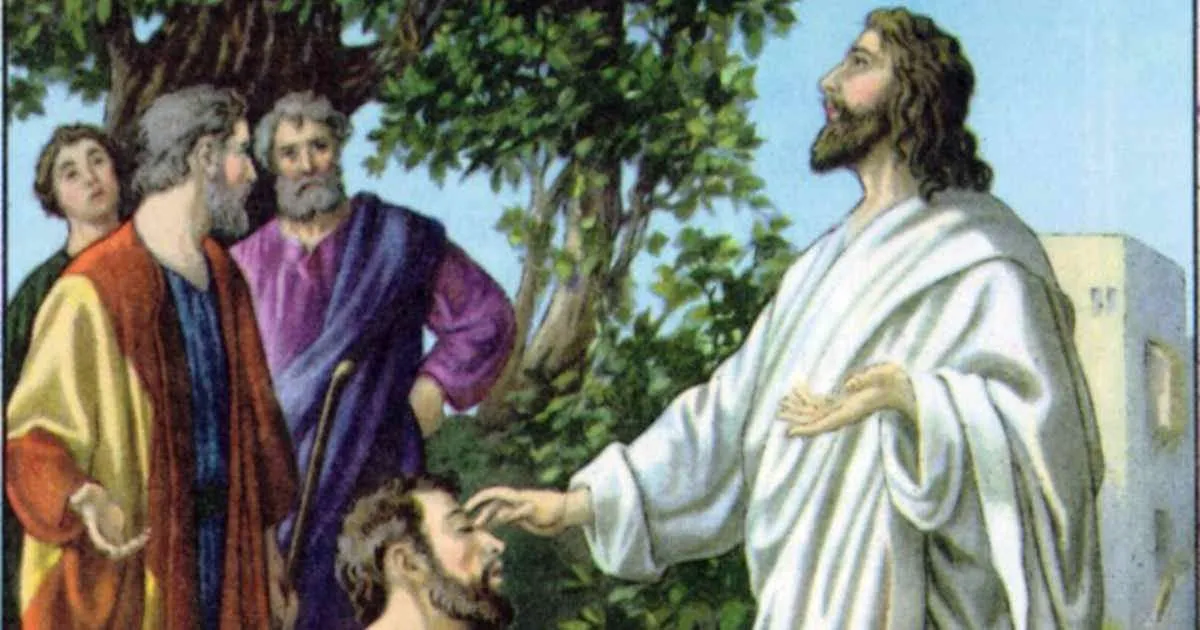
Featured: Jesus Dey Heal One Blind Man, wey Carolsfeld make, CC BY-SA 2.0
Listen for English
As Jesus dey near Jericho, one blind man sit down for roadside dey beg. As e hear crowd dey pass, e ask wetin dey happen. Dem tell am, “Jesus of Nazareth dey pass.” E shout, “Jesus, Son of David, have mercy on me!” Di people wey dey walk for front scold am, tell am make e keep quiet, but e continue to shout even more, “Son of David, have mercy on me!” Luke 18:35–39
For many cultures today, people dey care for and respect people wey blind, wey get disability, wey sick, or wey dey suffer. Societies don put laws and systems in place to make sure say people wey get physical disability get opportunities to live full life. For Bible times, na di opposite dey often happen. People dey see physical conditions like blindness or paralysis as signs say God dey punish person. Many people believe say na di sins of di person wey dey suffer, or di sins of im papa and mama or grandparents, cause such conditions. For this kind setting, di way Jesus treat di blind man no just show compassion; e shock people. Di dignity wey He give this man make di man become powerful sign of di Messiah mission.
Imagine wetin happen. Jesus dey approach di wealthy city of Jericho, and di blind man sit for roadside, where people no dey pay am attention and dem push am aside. Most people wey pass there probably no even give am any thought. But for spiritual life, this blind man represent each one of us. Spiritual blindness dey affect all of us. All of us dey born into di poverty of Original Sin, and we depend on God mercy. For Mark Gospel, di man name na Bartimaeus, di son of Timaeus. But Luke no mention im name, perhaps on purpose, so that e go easier for us to see ourselves inside im story—without name, without help, but still full of hope.
But many religious leaders for Jesus time—scribes, Pharisees and elders—see themselves as people wey better pass others for spiritual matters. Dem depend on di righteousness wey dem believe say dem get by themselves, and dem look down on others. This difference between di blind beggar and di top religious leaders invite each of us to ask ourselves who we resemble. I dey see myself as person wey poor for spirit, wey know say I need mercy? Or I dey imagine say I no need any help and I fit dey holy without grace? Na only when we recognize our spiritual poverty we fit cry out from sincere heart, “Jesus, Son of David, pity me!”
As di blind man call Jesus “Son of David,” e openly declare im faith say Jesus na di Messiah wey God promise. Na bold act of faith from person wey never see miracle, but wey still trust.
Perhaps di moment wey touch person pass for this encounter na di opposition wey Bartimaeus face: “Di people wey dey walk for front rebuke am, dey tell am make e keep quiet.” These voices represent di many obstacles wey we dey face when we turn to God—voices from di world, from our own desires wey no dey in right order, from sin wey don become habit, and even from demons. Dem dey discourage us from believing say we get worth, from trusting say God dey hear us, and from continuing firmly for prayer.
Yet Bartimaeus “continue to shout even more.” Di way e persist even as dem dey rebuke am na beautiful example of prayer. Na exactly when temptation come make us doubt, become tired, or believe say God no dey listen, we suppose pray even more. True faith dey stand firm. E no dey give up when trouble come; instead, e dey grow stronger.
When Jesus stop and call for di blind man, everything change. That moment show say our Lord Sacred Heart dey pay attention, dey respond, and full of mercy. E teach us say every prayer wey come from sincere and humble heart, and wey person continue to pray without giving up, dey touch God heart and move Am to respond.
Even though di response of Jesus wey people fit see na to heal di man, di deeper response na di invitation inside im heart to follow Jesus. Di blind man accept this invitation with all im heart: “Immediately, e begin see and follow am, dey give glory to God.” When di others see this, dem too rejoice and give glory to God.
Reflect today on this blind beggar and try to see yourself for im place. No see yourself as person wey healthy, important, or wealthy, but as person wey poor and need help. With that humility, cry out with firm belief, “Jesus, have mercy!” Continue to do so without giving up, and wait for di invitation inside your heart to deeper faith, so that you go fit see, follow Jesus more faithfully, and use your life bear witness to God glory—a life wey di Messiah, di Son of David, don touch.
Jesus, Son of David, pity me! Lord, make this be di cry wey I go always dey cry for myself and for all people. Remove all pride and di belief say I righteous by my own power from me, and help me see myself for di place of this blind beggar, wey dey cry out for Your mercy. As I dey answer Your invitation to grace, make I follow You with all my heart, give You glory, and draw others into di joy of walking for Your light. Jesus, na You I trust.
Novena to Christ the King
As Tradition Be, Nine Days Before the Solemnity of Christ the King
Novena wey we dey pray every day from November 13–21, 2026
More Reflections on the Gospel
Reflection Dem about God im Mercy
Meditations on Scripture for Ordinary Time
Readings wey You Fit Choose for Mass